
Neurofeedback is a non-invasive form of brain training that uses sensors to help the brain learn calmer, more balanced patterns. This blog explains how sessions work, what concerns neurofeedback may support, how to choose a qualified provider, and why it can complement talk therapy. It also discusses safety, expectations, and whether this approach could suit you.
What if you could train your brain the way you train a muscle? No pills. No needles. Just gentle, guided practice that teaches your brain to settle into a calmer, clearer rhythm. If anxiety, scattered focus, or restless nights have followed you for years, you may be curious about the neurofeedback therapy Toronto clinics now offer. It’s a quiet but powerful shift in mental health care, and it’s drawing attention for good reason.
Table of Contents
ToggleWhat Is Neurofeedback, Exactly?
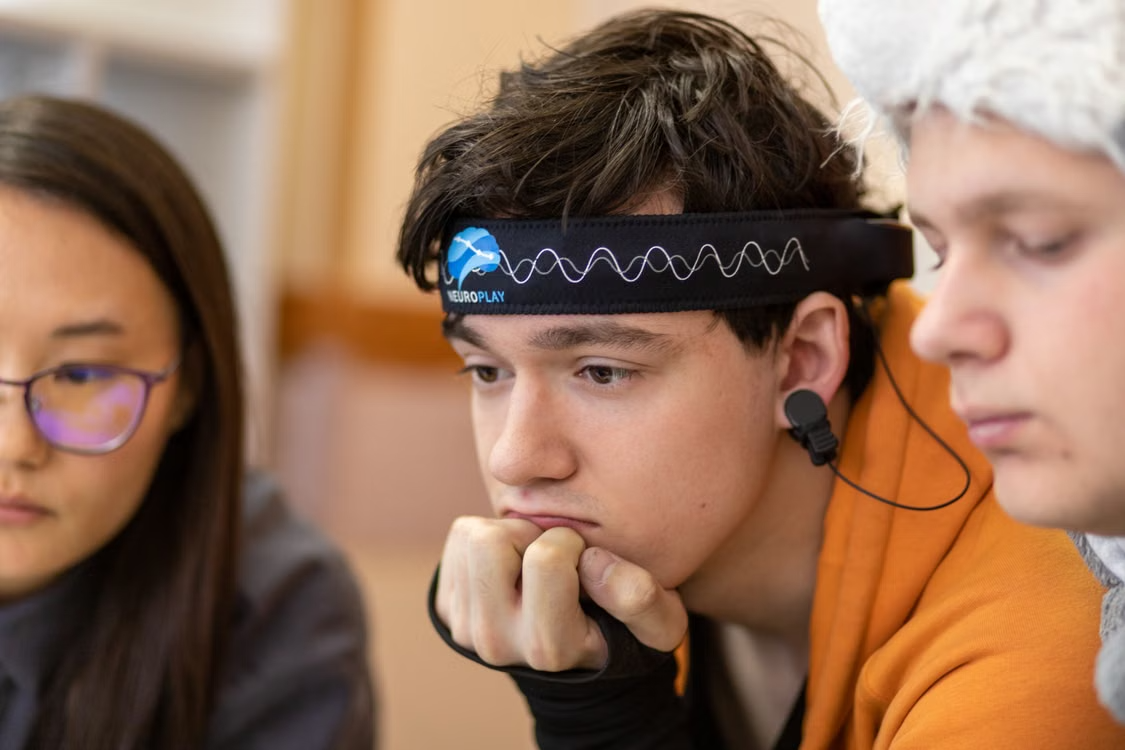
Neurofeedback is a form of brain training, also called EEG biofeedback. Small sensors rest on your scalp and read your brainwave activity. They don’t send anything into your brain. They simply listen.
Your brain produces different wave patterns depending on what you’re doing. Fast waves show up when you’re alert or stressed. Slower waves appear when you’re relaxed or drowsy. When these patterns get stuck, you may feel wired, foggy, or on edge.
Neurofeedback shows you your own patterns in real time. When your brain moves toward a more balanced state, you get a signal, like a clearer picture or smoother sound. Over time, your brain learns to find that state on its own.
What a Session Actually Feels Like
Most people are surprised by how easy it is. You sit in a comfortable chair. Sensors are placed on your head and ears. Then you watch a video or listen to music.
Here’s the clever part. The video plays smoothly when your brain is in a helpful range. It dims or pauses when your brain drifts away from it. You don’t have to try hard. Your brain figures it out through repetition, much like learning to ride a bike.
Sessions usually last under an hour, and most people need a series of them. Change tends to build gradually. Many clients first notice better sleep or a calmer mood, then clearer focus.
What Can Neurofeedback Help With?
People explore this approach for a range of concerns:
- Anxiety and chronic stress, especially the feeling of being “always on”
- Attention and focus, including challenges linked to ADHD
- Sleep difficulties, such as trouble winding down at night
- Low mood and burnout, when you feel flat or depleted
- Emotional reactivity, like feeling overwhelmed by small triggers
It’s worth being honest here. Research on neurofeedback is still evolving, and results vary from person to person. It isn’t a magic fix. That’s why the best care treats it as one tool among many, not the whole plan.
How to Choose the Right Provider
If you’re searching for neurofeedback Toronto providers, a few questions can help you find a good fit:
- Who performs the sessions, and what is their training?
- Is there an initial assessment before treatment begins?
- How is your progress tracked over time?
- Is neurofeedback paired with other forms of care?
The best neurofeedback therapy Toronto has to offer starts with understanding you first. A proper assessment looks at your symptoms, your history, and your goals before any sensors go on. Beware of any provider who promises quick or guaranteed results.
Why It Works Best Alongside Talk Therapy
Brain training can calm the system. But life still happens. Old patterns, painful memories, and daily stress don’t vanish on their own. This is why neurofeedback often works best alongside other support.
When your nervous system is more settled, therapy can feel easier. You may find it simpler to talk, reflect, and try new coping skills. Pairing neurofeedback with approaches like EMDR, somatic therapy, and mindfulness supports both the brain and the body. It’s a whole-person path, not a quick patch.
Is Neurofeedback Right for You?
It may be worth exploring if you:
- Prefer a drug-free, non-invasive option
- Feel stuck after trying talk therapy alone
- Struggle with focus, sleep, or constant tension
- Are curious about how your brain works
If you take medication or have a medical condition, check in with your doctor first. Neurofeedback is meant to support your care team, not replace it.
Ready to Retrain Your Brain?
You don’t have to white-knuckle your way through stress and overwhelm. At Heartsbloom, our Toronto team blends brain-based tools with compassionate, whole-person therapy. Book a free 15-minute consultation with Heartsbloom today and see if neurofeedback fits your journey.
Frequently Asked Questions
Q. Is neurofeedback safe?
Ans: Neurofeedback is non-invasive and generally well tolerated. The sensors only read brain activity. They don’t deliver any electrical current. Some people feel tired after a session, which usually passes quickly.
Q. How many sessions will I need?
Ans: It varies. Many people complete a series of sessions over several weeks or months. A provider should review your progress regularly and adjust the plan as needed.
Q. Does neurofeedback hurt?
Ans: No. Sensors are placed on your scalp with a gentle paste or clip. Most people describe the experience as relaxing.
Q. How is neurofeedback different from brain stimulation?
Ans: Brain stimulation sends energy into the brain. Neurofeedback does the opposite. It reads your brainwaves and shows them back to you, so your brain can learn to regulate itself.
Q. Can I do neurofeedback while in therapy or taking medication?
Ans: In most cases, yes. It’s often used alongside talk therapy. Always tell your doctor and your provider about any medication or health conditions before you begin.